
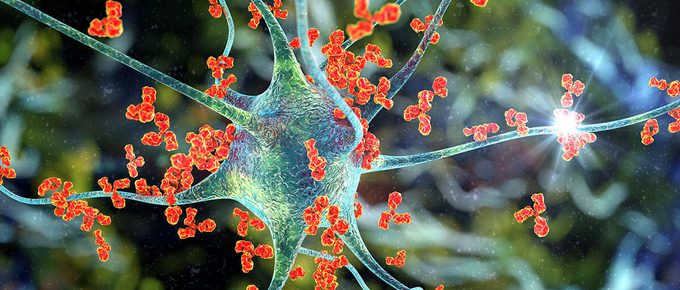
Up to 24 million Americans have been diagnosed with at least one autoimmune disease, and 63% of them are women. That is likely a significant undercount, since many people with autoimmune thyroid …

The Importance of POTS/Dysautonomia in Chronic Illness
Postural orthostatic tachycardia syndrome (POTS) is often described by a rapid heart rate and dizziness upon standing. But that does not describe the full impact of POTS or what causes it. POTS is a …
Continue Reading about The Importance of POTS/Dysautonomia in Chronic Illness →

Six Years In: What Causes Long COVID?
For the first few years after the pandemic began, Long COVID was described primarily by symptoms of fatigue, brain fog, headaches, dysautonomia, pain, and anxiety. But over the past few years, the …
Continue Reading about Six Years In: What Causes Long COVID? →

Setting Expectations For Recovering From Complex Chronic illness
Recovering from complex chronic illness is rarely straightforward. For many patients, the symptoms are only part of the challenge. Equally difficult is navigating uncertainty, managing expectations, …
Continue Reading about Setting Expectations For Recovering From Complex Chronic illness →

Epstein-Barr Virus (EBV) in Chronic Fatigue Syndrome and Autoimmune Diseases
Epstein–Barr virus (EBV) is best known as the cause of mononucleosis, but its role in chronic illness is far more extensive. Up to 95% of the world's population has been exposed to EBV, and for most …

Recovering from Chronic Illness: Cell Danger Response
Chronic fatigue syndrome (ME/CFS) and other complex chronic illnesses might have a common thread. When cells sense a threat, which can range from an infection to stress, their metabolism slows down …
Continue Reading about Recovering from Chronic Illness: Cell Danger Response →